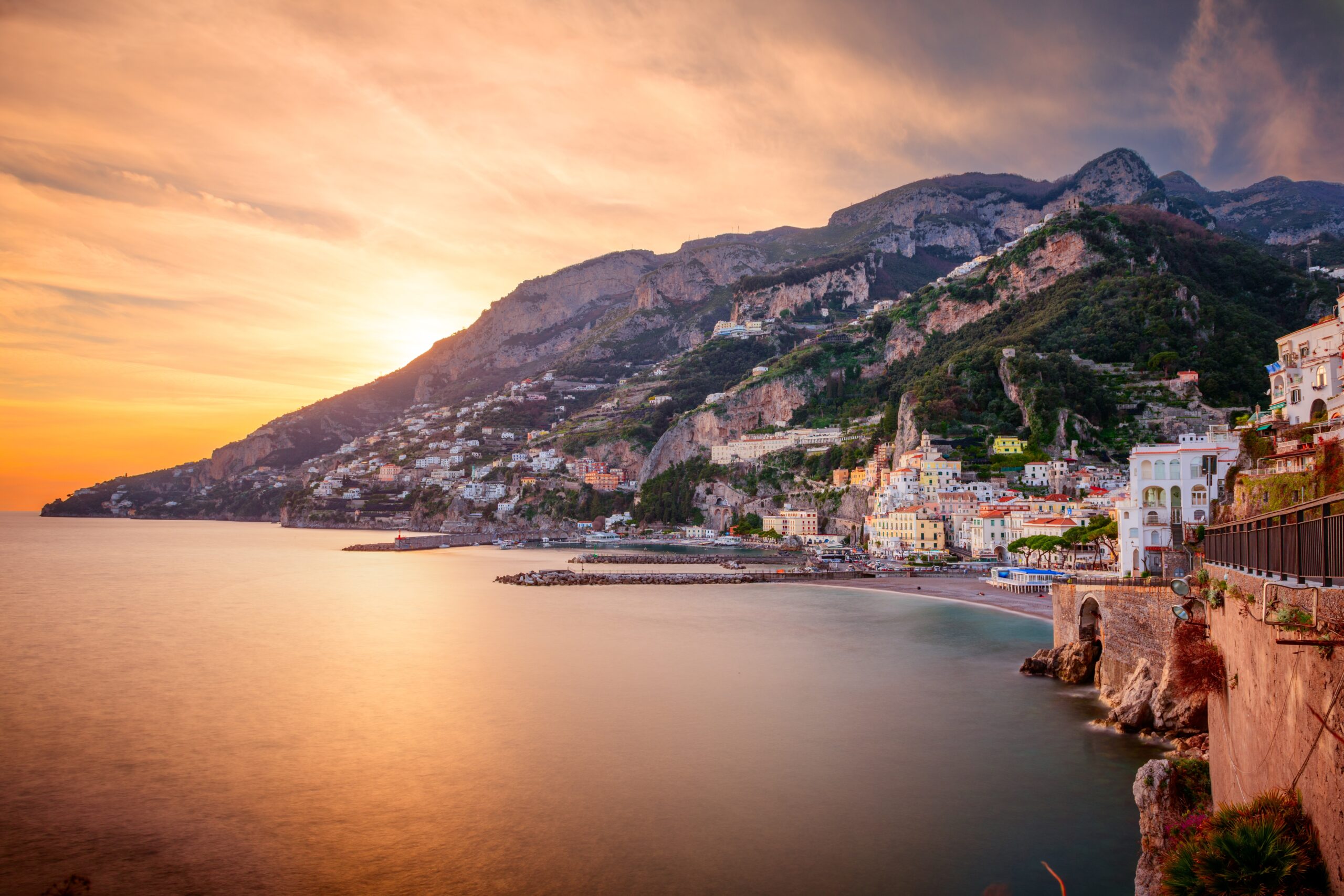
If you want to truly your stay on the Amalfi Coast in 2026, a smart approach is to plan your days carefully, rely on local insight, and avoid trying to do everything independently during peak season. With record tourism numbers continuing into spring and summer 2026, thoughtful planning is no longer optional – it’s often the difference between a stressful trip and a smooth, memorable experience.
Many experienced travelers choose to base themselves in Sorrento thanks to its convenient connections and wide range of experiences, while others prefer staying directly along the coast for the atmosphere. The key is understanding how each choice affects your daily logistics and planning accordingly.
This guide brings together real, practical advice from experienced local tour guides at Iamme Ia!, helping you navigate the Amalfi Coast efficiently while discovering the places, views, and experiences that matter most.
Why Sorrento Is the Smartest Base for Exploring the Amalfi Coast
Many travelers instinctively book accommodation directly along the Amalfi Coast in towns like Positano or Amalfi. While undeniably beautiful, these locations come with logistical challenges: limited access roads, heavy traffic congestion, and high prices for both hotels and transport.
Sorrento offers a more strategic alternative. Perched above the Bay of Naples, it provides direct and reliable connections to all major destinations: Amalfi Coast towns, Capri, Pompeii, and Mount Vesuvius.
From Sorrento, you can reach:
- Positano in around 1 hour
- Amalfi in approximately 1.5–2 hours depending on traffic
- Capri in 20–30 minutes by boat
- Pompeii in 30 minutes by train
- Naples in approx. 1.5 hour by train
More importantly, Sorrento allows you to start early and return comfortably – something that becomes critical during peak travel months when coastal roads become heavily congested.
If your goal is efficiency without sacrificing beauty, Sorrento is the ideal hub. Many travelers who stay directly on the coast end up spending more time stuck in traffic than enjoying the scenery.
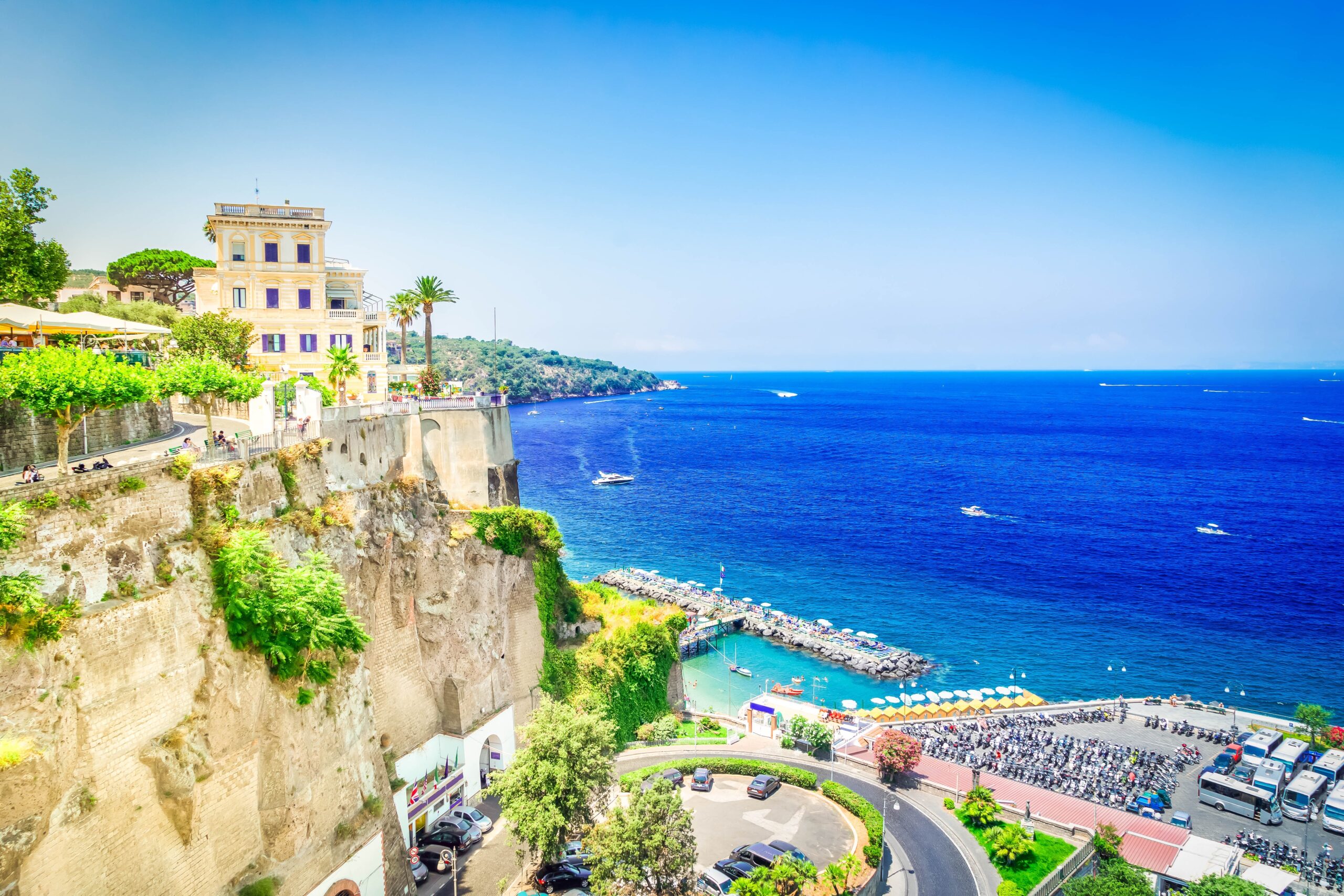
Planning Your Itinerary: Less Is More on the Amalfi Coast
One of the most common mistakes visitors make is trying to see too much in too little time. The Amalfi Coast may look compact on a map, but travel times are longer than expected due to narrow, winding roads and seasonal traffic.
A well-structured itinerary should focus on quality over quantity.
A balanced 4–5 day plan might include:
- One full day exploring Positano, Amalfi, and Ravello
- One day dedicated to Capri and the Blue Grotto
- One cultural day visiting Pompeii and Mount Vesuvius
- One relaxed day in Sorrento or a hiking experience like the Path of the Gods or Bay of Ieranto
Trying to combine multiple major destinations in one day, especially without local guidance, often leads to rushed experiences and missed highlights.
This is where organized local tours make a significant difference. With routes optimized for timing and insider access, you avoid unnecessary delays and focus on the experience itself. You can explore available options here.
Getting Around: What Works in 2026 (and What Doesn’t)
Transport remains one of the biggest challenges on the Amalfi Coast, and in 2026 this hasn’t changed – if anything, demand has increased.
Public buses are affordable but frequently overcrowded, especially between April and October. Rental cars might seem appealing, but driving along the Amalfi Coast is not recommended for most visitors due to limited parking and tight road conditions.
The most efficient ways to move around are:
- Guided tours with transportation included
- Private transfers for flexibility and comfort
- Boat tours to avoid road traffic entirely
Boat tours, in particular, have become one of the most popular ways to experience the coastline. Seeing Positano, Amalfi, and hidden coves from the sea offers a completely different perspective and avoids hours of road congestion.
For example, a Capri boat tour from Sorrento allows you to explore the island, swim in secluded spots, and visit the Blue Grotto without dealing with ferry queues or scheduling stress.
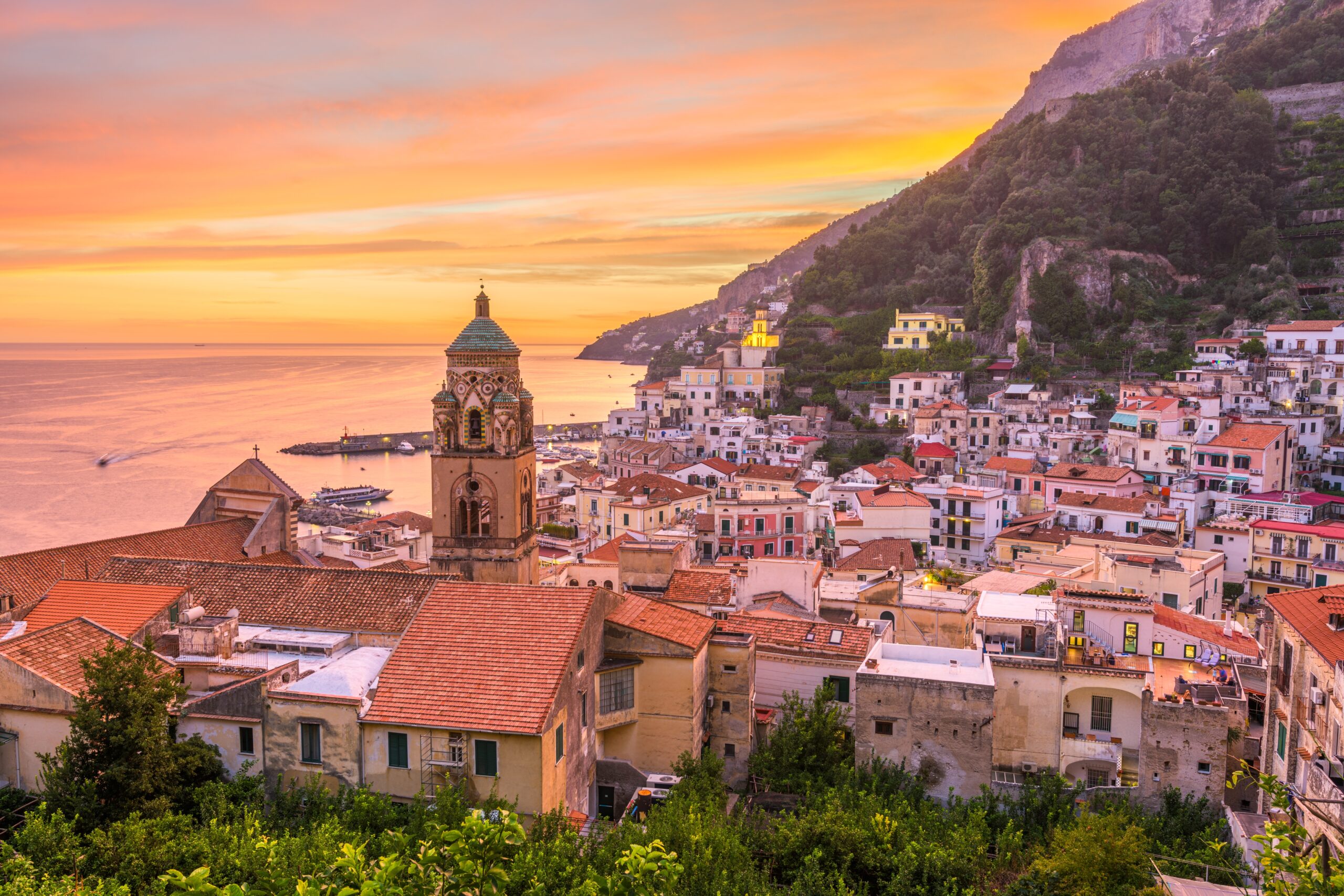
When and How to Visit Each Destination for the Best Experience
Timing is everything on the Amalfi Coast. The difference between a crowded experience and a magical one often comes down to when you arrive.
Positano
Best visited early in the morning or later in the afternoon. Midday crowds are intense, especially in spring and summer. Early arrival lets you enjoy quieter streets, better photo opportunities, and easier access to the beach.
Amalfi
Amalfi tends to stay busy throughout the day, but visiting as part of a structured tour helps you avoid peak congestion points and long waiting times.
Ravello
Ravello offers a calmer atmosphere and is perfect as a midday or afternoon stop. Its elevated position provides panoramic views over the coastline, making it a refreshing contrast to the busier seaside towns.
For a truly unforgettable Amalfi Coast experience, combine the beauty of Positano, Amalfi, and Ravello in one seamless journey. Explore our tours here!
Capri
Capri should ideally be visited by boat rather than ferry if you want to maximise your time. Arriving early allows you to explore the Blue Grotto before queues build up and enjoy the island before the peak influx of visitors.
Discover more about Capri and explore our tours and options.
Path of the Gods & Bay of Ieranto
For those interested in nature, the Path of the Gods hike is best done in the morning when temperatures are cooler and visibility is at its best. The Bay of Ieranto offers a quieter, more off-the-beaten-path experience with stunning views of Capri.
If you want to discover hidden gems and embark on a nature adventure, check out our options here!
What to See and Do: Experiences That Truly Add Value
Beyond the iconic views, what makes a trip to the Amalfi Coast memorable are the experiences that connect you to the local culture.
In Sorrento, cooking classes have become increasingly popular, especially among US and UK travelers seeking immersive activities. Learning to prepare traditional dishes like gnocchi alla sorrentina or fresh pasta gives you a deeper appreciation of the region’s culinary heritage.
If you’re looking for more local insights, practical tips, and inspiration for your itinerary, explore our blog!
On the coast itself, walking through Positano’s vertical streets, visiting Amalfi Cathedral, and exploring Ravello’s historic villas are essential – but they are best enjoyed with context. Understanding the history, traditions, and hidden details transforms sightseeing into a richer experience.
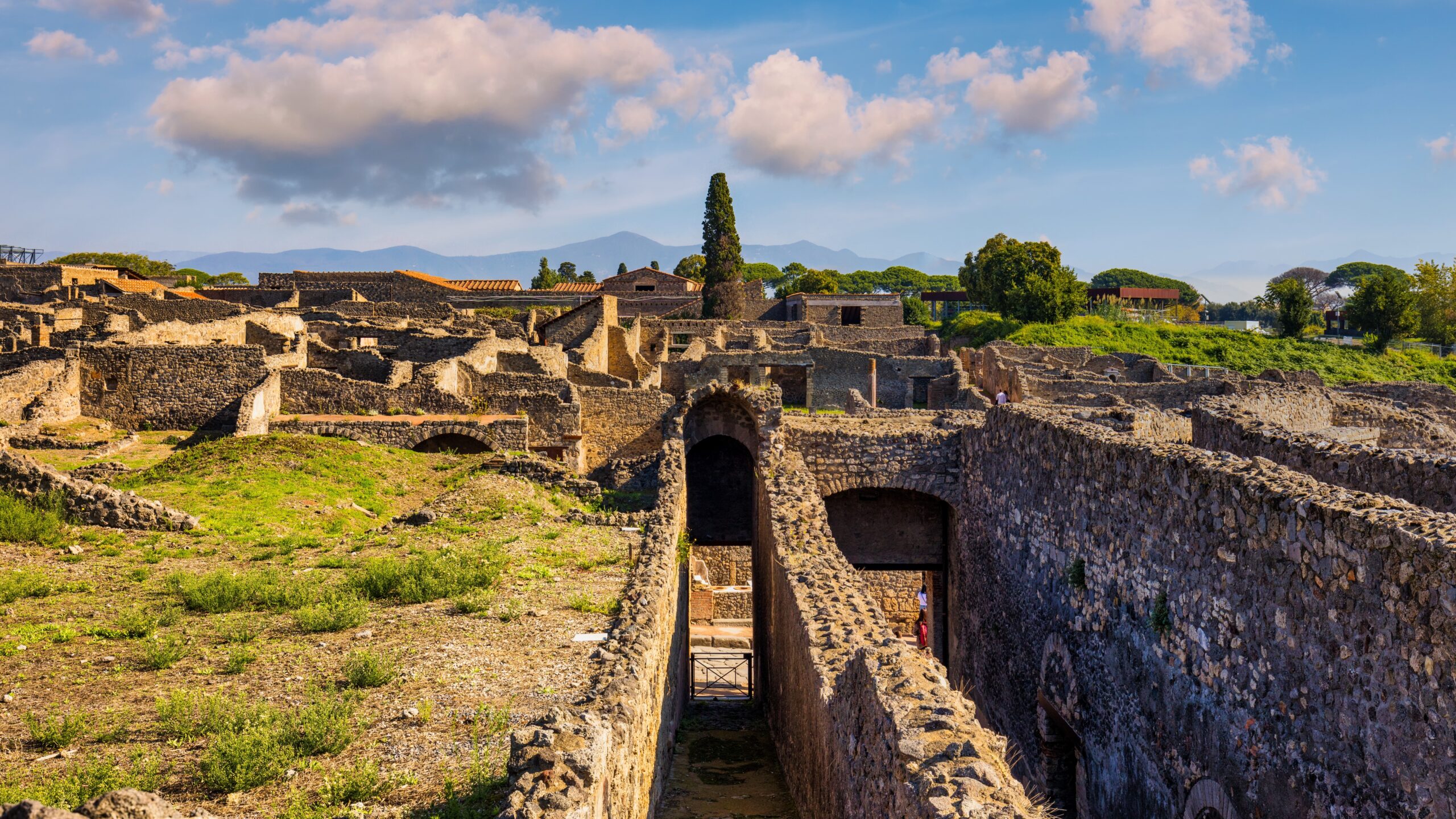
Pompeii and Mount Vesuvius add a completely different dimension to your trip. Walking through the preserved ruins of Pompeii with a knowledgeable guide helps bring ancient Roman life into focus, while hiking Vesuvius offers both geological insight and incredible views over the Bay of Naples.
Avoiding Common Mistakes That Waste Time and Energy
Tour guides consistently see the same avoidable mistakes that impact travelers’ experiences.
One of the biggest is underestimating travel time. Distances may seem short, but traffic conditions can significantly extend journeys.
Another common issue is relying entirely on public transport without flexibility. While it works in theory, in practice it often leads to long waits, overcrowding, and missed opportunities.
Overpacking the itinerary is another frequent problem. The Amalfi Coast is not a destination to rush through. Each town deserves time to be experienced, not just photographed.
Finally, many visitors overlook the value of local expertise. Having someone who knows the best times, routes, and hidden spots can dramatically improve the quality of your trip.
Best Times to Visit the Amalfi Coast
Spring 2026 has already shown strong visitor numbers, and summer is expected to remain extremely busy.
April to early June offers a balance of good weather and slightly more manageable crowds, making it one of the best times to visit.
July and August are the busiest months, with high temperatures and peak tourism. During this period, planning and booking in advance is essential.
September and early October are often considered ideal. The weather remains warm, the sea is perfect for swimming, and crowds begin to decrease slightly.
Winter months offer a quieter experience but with limited services and reduced transport options.
For the best overall experience, aim for late spring or early autumn – and always plan your key activities in advance.
Explore Sorrento and the Amalfi Coast with Iamme Ia!
Who better to help you navigate this area than Iamme Ia!, your expert companion. Connecting with us is easy. For more information on our tours, to make bookings, or to discuss your upcoming travel plans, please visit our tour pages or contact page on our website.
If you find yourself wandering the charming streets of Sorrento, feel free to stop by our office at Piazza Torquato Tasso 16, where our friendly staff is eager to help you plan your next unforgettable adventure. As a proud Gray Line licensee, Iamme Ia! has been committed since 2014 to not only showcasing the stunning landscapes and rich culture of the Amalfi Coast but also to providing a narrative that weaves together breathtaking views, diverse experiences, and memorable moments.
With Iamme Ia!, your journey through Italy will be more than just a visit—it will be a profound engagement with the heart and soul of the region. Let us turn your trip into an experience of a lifetime.
Remember to join our Instagram community for some extra fun content!